Domain-Specific Languages is the Next Big Thing
Have you ever wondered why we have so many different programming languages? While languages like Python and Java can solve almost any programming problem, sometimes you need a tool that's perfectly crafted for a specific job. That's where Domain-Specific Languages (DSLs) come in.
So the graphic below is what happened when you prompt a diffusion model to generate a diagram. It looks like some non-decipherable alien language. So, in order to generate a formalized diagram instead of a blurry image of a somewhat "diagram" that the model was trained on, DSLs is the tool for us to actually use the model to create something that is compilable and formalized for us.
What Are Domain-Specific Languages?
Think of DSLs as specialized tools in a craftsperson's toolbox. Just as a carpenter wouldn't use a hammer for every job, programmers often need languages designed for specific tasks. HTML, for instance, is a perfect example – it's a language created specifically for structuring web pages.
These specialized languages have been part of the computing landscape since its early days, but they've gained tremendous momentum in recent decades with the rise of domain-specific modeling. Unlike general-purpose languages that try to be all things to all programmers, DSLs focus on doing one thing extremely well.
The Rise of DSLs in Program Synthesis
One of the most exciting applications of DSLs is in the field of program synthesis – a cutting-edge area where computers write code for us. Here's where things get really interesting: DSLs act as a bridge between human intent and machine-generated code.
When designing a DSL for program synthesis, developers need to carefully consider two key aspects:
- The syntax: How programs will be written and structured
- The semantics: What these programs actually mean and do
This careful balance allows synthesis tools to work within well-defined boundaries, making it possible to generate programs that would be incredibly challenging to create using general-purpose languages.
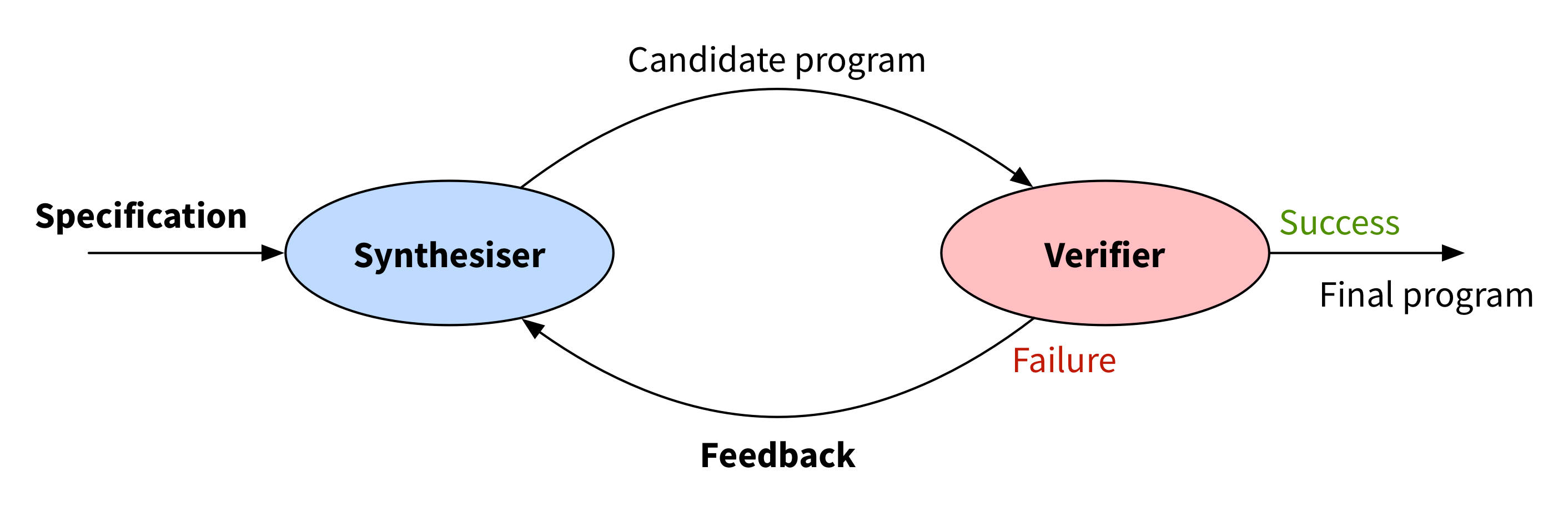
Another visualization for DSL and program synthesis is DSL can acts as a search space for program synthesis. This idea helps the program synthesis process to be more formalized with declared constraints, which also greatly benefits when you need to compile your generated program.
Why DSLs Matter?
The beauty of DSLs lies in their ability to strike a perfect balance between power and simplicity. Within their specific domain, they offer:
- Increased expressiveness
- Enhanced ease of use
- Better error prevention
- More efficient problem-solving
DSLs in the Age of AI and Large Language Models
The emergence of Large Language Models (LLMs) and AI has opened up fascinating new possibilities for DSLs. This convergence is reshaping how we think about specialized programming languages and their applications.
Natural Language DSLs
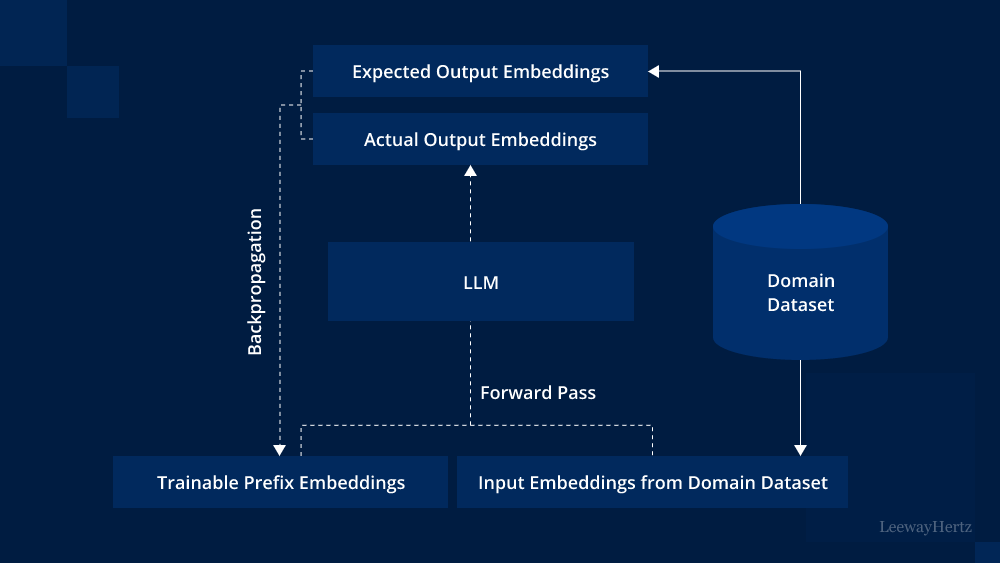
One of the most exciting developments is the potential for "natural language DSLs" – bridges between human language and specialized programming tasks. Imagine describing a data visualization in plain English and having an AI-powered DSL translate that into a perfect D3.js visualization, or explaining a workflow in conversation and watching it transform into executable business process code.
Real-World Applications
Here are some emerging use cases where DSLs and AI are creating powerful synergies:
AI-Assisted Code Generation
- Smart contract creation using natural language specifications
- Automated API endpoint generation from business requirements
- UI component creation from design descriptions
Domain-Specific Problem Solving
- Financial modeling DSLs that understand both code and market terminology
- Healthcare workflow automation that respects medical protocols
- Scientific computing languages that combine mathematical notation with computational efficiency
Intelligent Code Synthesis
- Self-adapting DSLs that learn from user interactions
- Context-aware code generation that considers business rules and constraints
- Automated test case generation based on domain-specific requirements
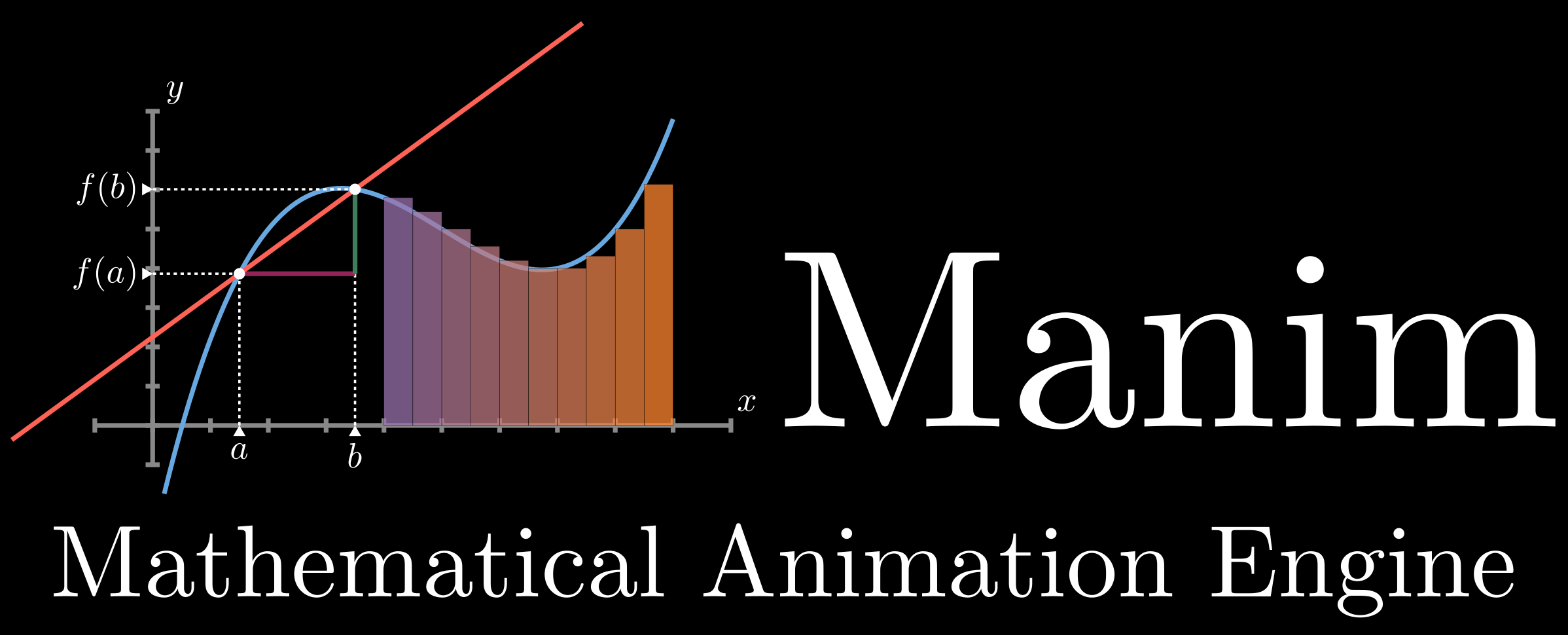
Something highly specific that I am looking forward to have now is an LLM paradigm to generate Math and Physics visualization for intuitive understanding of different concepts. There are many animation libraries out there like 3Blue1Brown's Manim that can easily do this in Python. The current model can actually do this adequately for early calculus I course. However, for more complex concept or multivariable calculus, the need for a better and formalized solution is still around.
The ARC Challenge and Program Synthesis
The Abstraction and Reasoning Corpus (ARC) challenge, introduced by François Chollet, represents a fascinating intersection between program synthesis and artificial intelligence. It tests AI systems' ability to discover and apply novel patterns – essentially creating their own "mini-languages" to solve complex visual puzzles. This challenge has profound implications for how we think about DSLs and program synthesis:
Automated DSL Discovery
- Modern LLMs are increasingly capable of discovering and generating their own domain-specific languages to solve problems
- These systems can identify patterns and create abstraction layers that might not be obvious to human programmers
- The solutions often resemble tiny, task-specific programming languages
Neural-Symbolic Integration
- New LLM architectures are incorporating symbolic reasoning capabilities
- This enables them to bridge the gap between natural language understanding and formal program synthesis
- Some models can now generate not just code, but entire DSLs tailored to specific problem domains
The Path to AGI Through DSLs

The relationship between DSLs and artificial general intelligence is becoming clearer after many improvement in the ARC benchmark made by the MindsAI team in which I do not know the details of their new paradigms or methods for LLM. However, the main general idea of using program synthesis still remains the same:
Abstraction Learning
- AGI systems need to create their own abstractions to solve novel problems
- DSLs serve as a formal framework for representing and manipulating these abstractions
- The ability to generate and use DSLs may be a crucial stepping stone toward AGI
Compositional Reasoning
- Modern LLM architectures are incorporating better compositional reasoning abilities
- This allows them to break down complex problems into smaller, manageable parts
- Each part can be addressed with its own specialized mini-language
Transfer Learning in Language Design
- AI systems are beginning to transfer knowledge between different domains through DSL creation
- This mirrors human expertise development and generalization
- It potentially offers insights into how AGI might develop general problem-solving capabilities
Looking Ahead
As software development continues to evolve, DSLs are becoming increasingly important. They're not just tools for writing code – they're bridges that connect complex problems with elegant solutions. With the integration of AI and LLMs, we're entering an era where DSLs could become even more intuitive and powerful, potentially revolutionizing how we approach domain-specific programming challenges.
The future might see DSLs that:
- Adapt and learn from user behavior
- Automatically optimize themselves for specific use cases
- Bridge the gap between natural language and executable code more seamlessly
- Enable non-programmers to create complex, domain-specific solutions
Remember: sometimes the best tool isn't the most powerful one, but the one that's perfectly suited for the job at hand. As AI continues to evolve, DSLs will likely become even more sophisticated in their ability to serve as this perfect tool for specific domains or maybe a new generalized foundational model would have the ability to generate any kind of DSLs with its mass training data.